
The Coach’s Work with Stalled Projects
Getting Things DoneDavid Allen’s identity as a coach develops through repeated encounters in which small questions unlock people’s ability to act.
increasing Bearing strength in each event
 decreasing
Bearing strength in each eventdecreasingWork in the Trenches

Learning at the Desk
Close Observation
Allen describes spending thousands of hours coaching people at their desks and helping them process work in front of them. His method grows from practical encounters with actual papers, tasks, and commitments.
The focus is not solely theoretical productivity advice but the lived process of handling work.
Patterns Across Clients
Different organizations and professions produce varied problems, yet many people share unresolved inputs and unclear next steps. Repeated coaching allows Allen to observe which behaviors help and where systems commonly fail.
Experience becomes the basis for a model that can be taught and adapted.
A Question Becomes Central

The Next Action Emerges
A Simple Diagnostic
Allen repeatedly asks clients to name the next physical action on an item or project. The question exposes whether the person has completed the thinking needed to move forward.
A vague task can suddenly become a call, a draft, or a request for information.
Immediate Evidence
Clients often report a sense of relief as the next step becomes clear, even though the project itself remains unfinished. Allen observes that the change in definition can alter energy and motivation.
The question becomes central because it works at the level where action can actually occur.
A Broader Workflow Forms
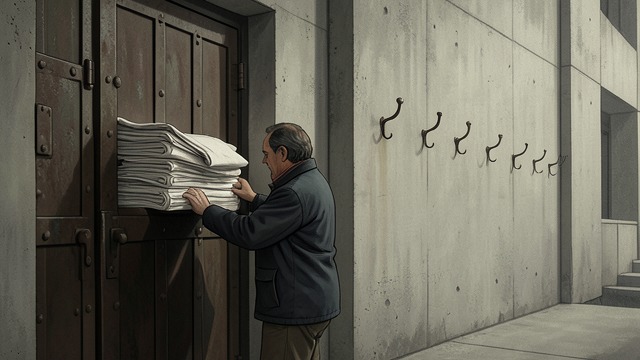
Beyond One Useful Question
Connecting the Stages
Allen places action decisions inside a larger system of collection, processing, organization, review, and doing. The components explain how a person can keep the question useful across different kinds of incoming material.
A next action needs a trusted place to live and a review habit to resurface.
Horizontal and Vertical Work
The model also distinguishes managing many commitments across life from thinking deeply about one project. Allen’s teaching expands from desk cleanup to a wider practice of workflow and planning.
The system provides a framework for both immediate choices and project-level thinking.
Teaching at Scale
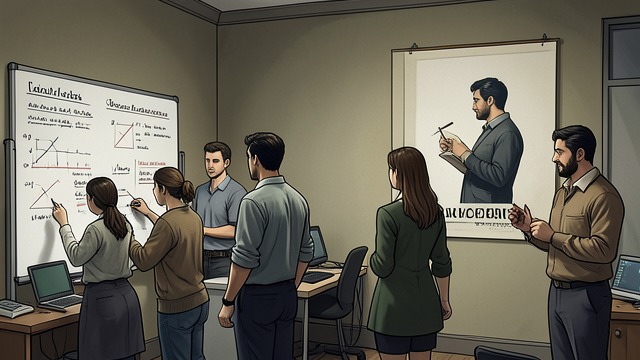
Clients Become a Larger Community
Workshops and Coaching
Allen and colleagues have coached individuals, trained professionals, and delivered seminars. Participants help test and refine the models through their practical use.
The method’s examples come from organizations as well as personal and household situations.
A Public Contribution
Allen presents the book as a way to make the approach accessible beyond consulting clients. Readers are invited to try the process, challenge it, and discover what changes in their own work.
His role expands from coach beside a desk to guide for a broader audience.
A Continuing Guide

Returning Readers to Practice
A Reference, Not a Finished State
Allen describes the book as a road map readers can revisit when they need to regain control. The behaviors may take time to become habitual, so the method is presented as something to practice patiently.
New demands will continue to create the need for collection and review.
The Coach’s Final Invitation
The closing advice encourages readers to set up their tools, implement the process, share what they learn, and return to the book later. Allen’s role remains that of a practical guide rather than a provider of a one-time fix.
The work continues in the reader’s daily decisions.
Across the early years of Allen’s consulting career
After years of coaching work
As Allen develops his teaching model
By the book’s publication period
In the closing pages
